PADI Rescue Diver Course Neil Island
Become a More Confident and Safety-Conscious Diver
- Issued by
- PADI
- Certification
- Rescue Diver
- Duration
- 4
- Minimum age
- 12+
- Prerequisite
- Swimmers
Develop the skills and confidence to respond to scuba diving emergencies with the PADI Rescue Diver Course in Neil Island, Andaman Islands. Learn to recognise diver stress, prevent potential accidents and assist divers in difficulty through practical rescue scenarios, emergency management and hands-on training under the guidance of experienced PADI professionals.
Take your scuba diving knowledge and safety awareness to the next level with the PADI Rescue Diver Course in Neil Island (Shaheed Dweep), Andaman Islands.
The PADI Rescue Diver Course is one of the most rewarding and challenging recreational scuba diving programmes. It focuses on developing your ability to recognise potential problems, prevent diving accidents and respond effectively to emergencies involving yourself and other divers.
Through knowledge development, practical exercises and realistic rescue scenarios, you will learn how to become a more aware, prepared and responsible diver.
What Is the PADI Rescue Diver Course?
The PADI Rescue Diver Course teaches divers how to identify and manage diving emergencies, provide assistance to divers in distress and respond to different underwater and surface situations.
The programme combines academic learning, rescue skill development and open-water rescue scenarios under the supervision of a qualified PADI Instructor.
Course Training Structure
1. Knowledge Development
Learn the principles of dive accident prevention and emergency management.
Topics include:
- Recognising diver stress and fatigue.
- Identifying potential diving problems.
- Understanding common diving emergencies.
- Emergency management and response procedures.
- Rescue planning and assessment.
- Self-rescue techniques.
- Emergency equipment and communication.
- Understanding rescue priorities.
2. Self-Rescue and Diver Assistance
Develop the ability to manage personal problems and assist other divers.
Training includes:
- Recognising and responding to diver stress.
- Assisting tired divers.
- Managing cramps and other common problems.
- Helping divers at the surface.
- Understanding emergency assistance procedures.
- Supporting divers who need help underwater.
3. Rescue Skills Development
Practise essential rescue techniques in controlled training environments.
Training includes:
- Recognising a diver in distress.
- Assisting an unresponsive diver underwater.
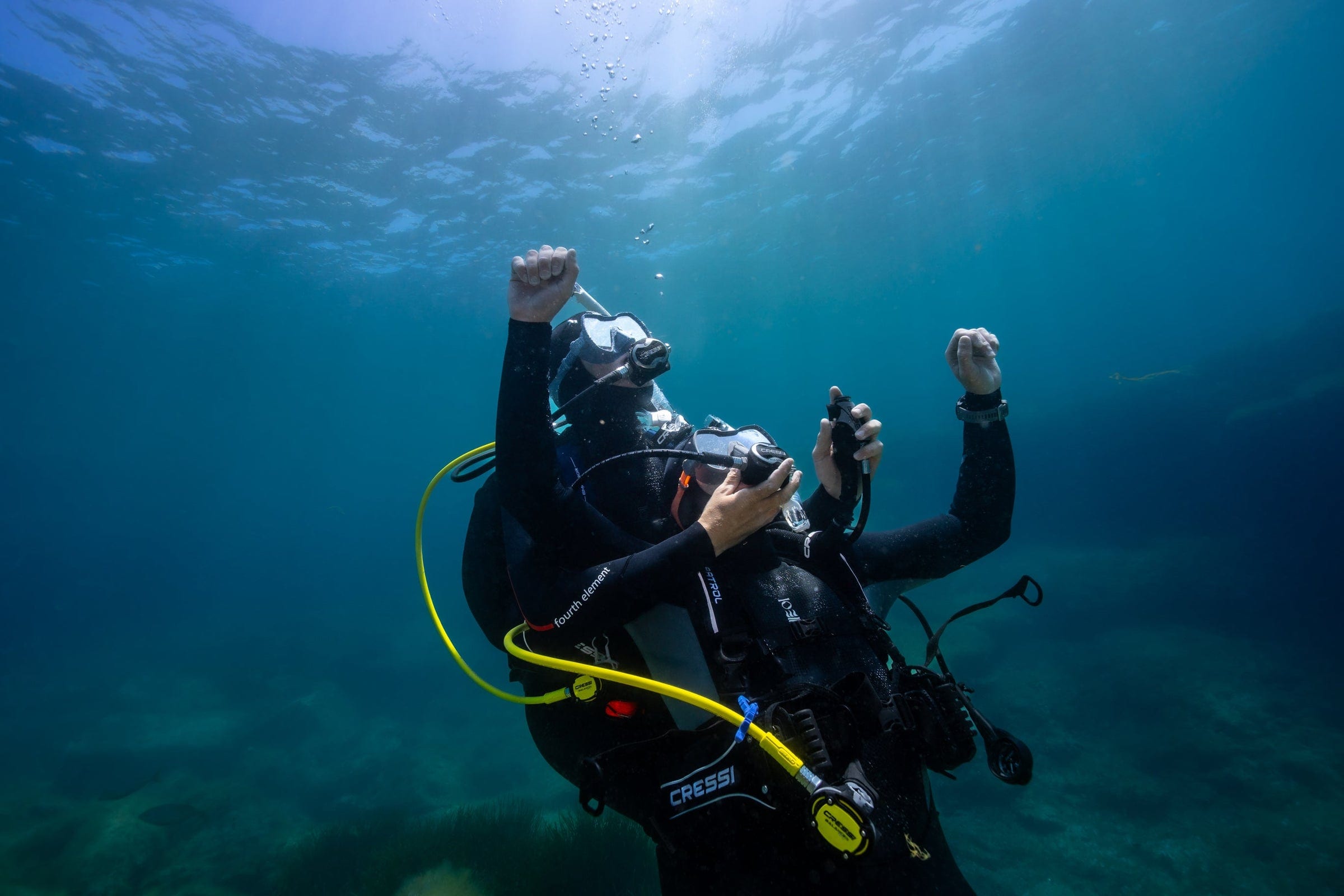
- Managing a panicked diver.
- Responding to missing diver situations.
- Assisting an unresponsive diver at the surface.
- Providing in-water rescue breathing as required.
- Exiting an unresponsive diver from the water.
- Applying appropriate emergency response procedures.
4. Open Water Rescue Scenarios
Apply your skills through realistic rescue exercises designed to improve decision-making and confidence.
Training scenarios include:
- Assisting a tired diver.
- Helping a panicked diver.
- Searching for a missing diver.
- Managing an unresponsive diver underwater.
- Bringing an unresponsive diver to the surface.
- Providing appropriate rescue assistance at the surface.
- Coordinating emergency response procedures.
5. Final Assessment and Certification
Complete the required knowledge development, rescue exercises and open-water scenarios.
Your PADI Instructor will assess your ability to recognise problems, manage rescue situations and demonstrate the required rescue skills.
Why Choose Neil Island for Your Rescue Diver Course?
- Beautiful tropical training environment.
- Practical open-water rescue training.
- Professional PADI Instructor supervision.
- Develop stronger diving safety awareness.
- Improve emergency response and problem-solving skills.
- Gain confidence in assisting other divers.
- Experience a rewarding step in your scuba diving journey.
Who Can Join?
The course is designed for certified scuba divers who meet the required PADI prerequisites.
Participants must hold a qualifying entry-level certification, meet the applicable minimum age requirements and have completed the required Emergency First Response training or qualifying equivalent.
Your Certification
After successfully completing all course requirements, you will receive the internationally recognised PADI Rescue Diver certification.
This certification develops your ability to prevent and manage diving emergencies and is an important prerequisite for progressing towards PADI Divemaster training.
Become a More Responsible Diver!
Learn to look beyond your own dive, recognise potential problems and become a diver who can confidently assist others. Develop essential rescue skills in the beautiful underwater environment of Neil Island, Andaman Islands.
What is included
- Full equipment rental
- Course materials and eLearning
- Certification processing fee
- Confined water session
- Underwater photos
Not included
- Travel and dive insurance
- Flights and ferries
- Personal expenses
Where you train
Course syllabus
How the course runs, day by day - theory, confined water, then the open water dives.
Knowledge Development & Self-Rescue Skills
Morning Session: Theory and Preparation
- Introduction to the PADI Rescue Diver programme.
- Understanding the importance of diver safety.
- Recognising diver stress and potential problems.
- Understanding common diving emergencies.
- Dive accident prevention and risk management.
- Emergency action planning.
- Introduction to rescue equipment and procedures.
Practical Training: Self-Rescue and Diver Assistance
- Reviewing self-rescue techniques.
- Recognising and managing cramps.
- Managing air depletion situations.
- Assisting tired divers.
- Understanding diver stress at the surface.
- Developing effective communication and assistance techniques.
Day 1 Learning Outcome:
Understand the fundamentals of rescue diving, recognise potential problems and develop the ability to manage personal diving emergencies.
Rescue Skills Development
Morning Session: Rescue Exercises
Practise essential rescue techniques under instructor supervision.
- Assisting a tired diver.
- Assisting a panicked diver.
- Responding to a diver who is unresponsive at the surface.
- Assisting a diver experiencing problems underwater.
- Managing an unresponsive diver at the surface.
- Responding to a missing diver situation.
- Removing equipment from an unresponsive diver.
- Exiting an unresponsive diver from the water.
- Providing appropriate rescue breathing.
- Applying emergency response procedures.
Afternoon Session: Practical Rescue Scenarios
- Recognising signs of diver distress.
- Approaching and assisting a distressed diver.
- Maintaining personal safety during rescue situations.
- Practising effective rescue communication.
- Reviewing rescue procedures with the instructor.
Day 2 Learning Outcome:
Develop practical rescue skills and improve confidence in assisting divers experiencing difficulties underwater and at the surface.
Open-Water Rescue Scenarios
Morning Session: Scenario Preparation
- Review of rescue skills from previous sessions.
- Understanding rescue scenario planning.
- Identifying emergency situations.
- Preparing rescue equipment.
- Understanding search and recovery procedures.
- Emergency response and communication planning.
Open-Water Rescue Scenario 1
Missing Diver / Search and Rescue
- Receiving and assessing an emergency situation.
- Gathering information about the missing diver.
- Planning an appropriate search.
- Conducting an underwater search.
- Locating and assisting the missing diver.
- Bringing the diver to the surface.
- Managing the emergency response.
Open-Water Rescue Scenario 2
Unresponsive Diver Underwater
- Recognising an unresponsive diver.
- Approaching and assisting the diver.
- Bringing the diver safely to the surface.
- Providing appropriate in-water rescue breathing.
- Managing flotation and equipment.
- Bringing the diver to a safe exit point.
- Coordinating emergency assistance.
Day 3 Learning Outcome:
Apply rescue techniques in realistic open-water situations and develop effective emergency decision-making skills.
Final Rescue Assessment & Emergency Management
Morning Session: Advanced Rescue Practice
- Review of all required rescue exercises.
- Practising tired and panicked diver assistance.
- Reviewing underwater emergency response.
- Managing unresponsive diver situations.
- Improving rescue communication.
- Reviewing safe rescue approaches and procedures.
Afternoon Session: Final Assessment
- Completion and verification of all required rescue exercises.
- Final instructor evaluation.
- Review of emergency action procedures.
- Assessment of rescue planning and decision-making.
- Knowledge development completion.
- Instructor feedback and course review.
Certification Processing
Upon successfully completing all required academic and practical requirements, students become eligible for PADI Rescue Diver certification.
Day 4 Learning Outcome:
Demonstrate the required rescue skills, understand emergency management procedures and become a more responsible and safety-conscious diver.
Not sure this is the right course?
Tell us how much diving you have done and we will point you at the level that fits - and at the dates it runs on.
What it costs
Every price below is the full course fee before tax - 18% GST is added on top. There is no checkout yet, so tell us your dates and we will hold your place.
Before you dive
The rules every student on this course is held to. None of them are negotiable, and none of them are a surprise on the day.
Minimum age
Divers must be 12 or older on the day of the dive.
Medical declaration
All participants must complete the required PADI Diver Medical Questionnaire before starting the course. Participants with medical conditions requiring further evaluation must obtain written medical clearance from a qualified physician before diving. Students must meet all applicable medical, physical and training requirements and be comfortable participating in demanding in-water rescue exercises.Flying after diving
Leave at least 18 hours between your last dive and your flight. Book your trip home with that gap already in it - we cannot shorten it for you.
Insurance
Bring travel insurance that names recreational scuba diving, including chamber treatment and evacuation. We will ask to see it.
This is general guidance for recreational diving, not medical advice about you. If any of it is a question rather than a formality, speak to a doctor before you travel.
The small print
Meeting and pickup
Participants are requested to report to the designated dive centre on Neil Island at the scheduled time. Please arrive early for registration, certification verification, medical screening, equipment fitting and course briefing. Students should complete their PADI Rescue Diver eLearning before arriving. Pickup and drop-off arrangements, if available, should be confirmed with the dive centre in advance.
Additional information
- Minimum age is 12 years for Junior Rescue Diver.
- Standard PADI Rescue Diver certification is available from age 15.
- A qualifying Adventure Diver or Advanced Open Water Diver certification is required.
- The Underwater Navigation Adventure Dive must be completed if entering with Adventure Diver certification.
- Current CPR and First Aid training within the previous 24 months is mandatory for certification.
- EFR Primary and Secondary Care training can be completed alongside the course.
- The programme includes self-rescue review, 10 rescue exercises and two open-water rescue scenarios.
- All practical training is conducted under qualified PADI Instructor supervision.
- Rescue exercises may be physically demanding.
- Training locations and schedules depend on sea conditions, visibility and operational safety.
- Certification is awarded only after successful completion of all required academic and practical assessments.
Cancellation policy
Cancellations and rescheduling are subject to the dive centre's booking policy. If rescue training cannot take place due to adverse weather, unsafe sea conditions or operational restrictions, alternative dates may be offered subject to availability. Participants should inform the dive centre in advance regarding cancellation or rescheduling requests. Refunds, cancellation charges, eLearning fees and no-show conditions will be governed by the applicable booking terms.
Other courses you might like
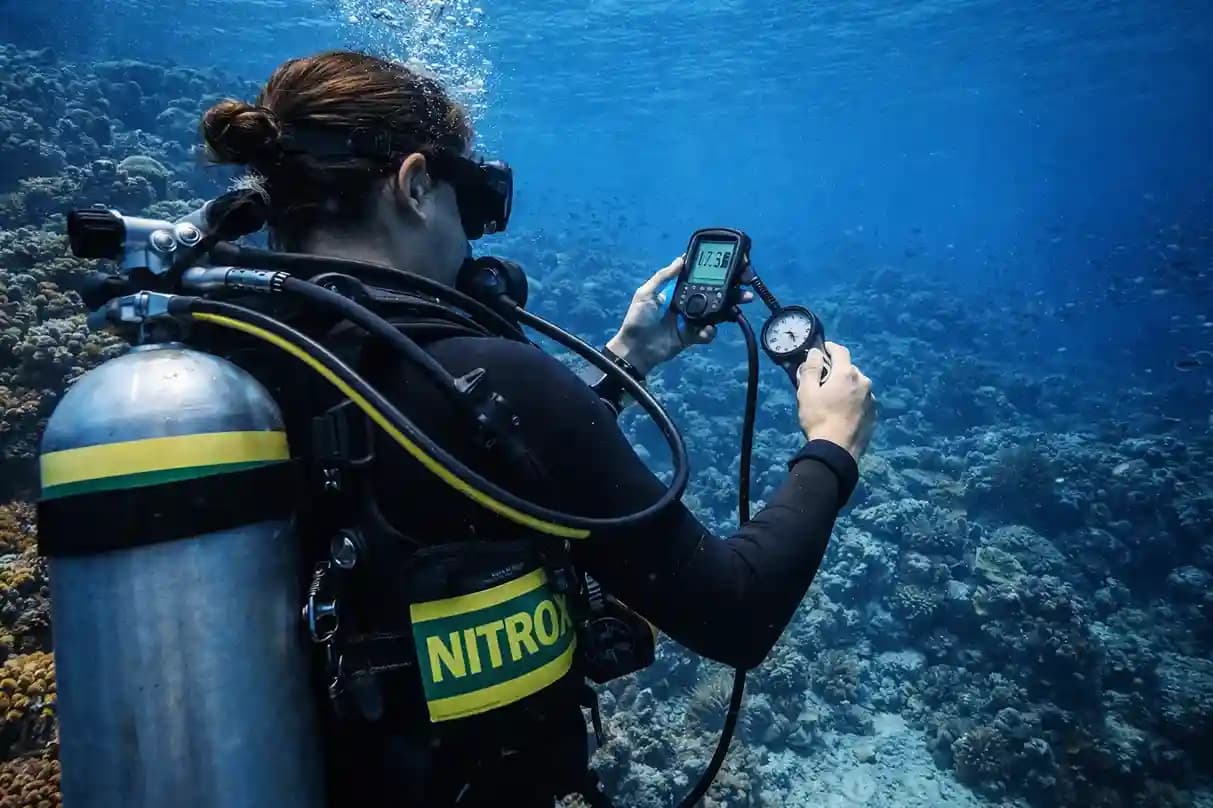
PADI Enriched Air (Nitrox) Diver Course Andaman
₹9,500per person + 18% GSTView Details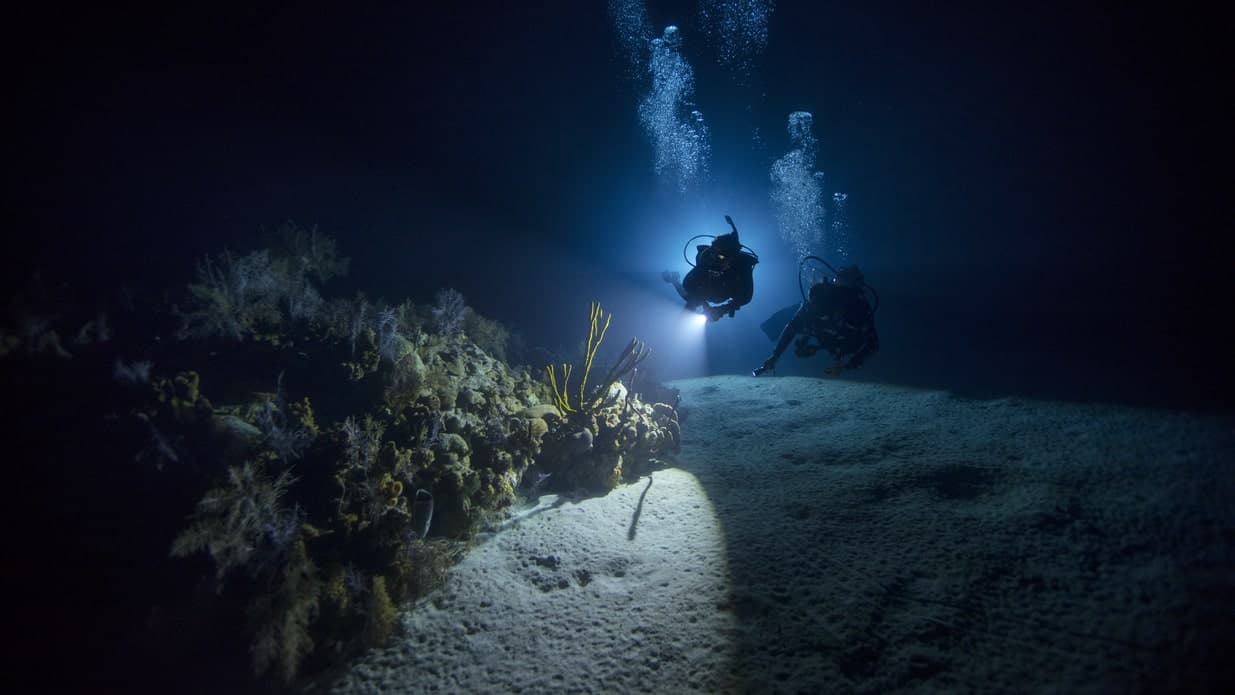 Lighthouse
PADI Night Diver Course Andaman
₹15,000per person + 18% GSTView Details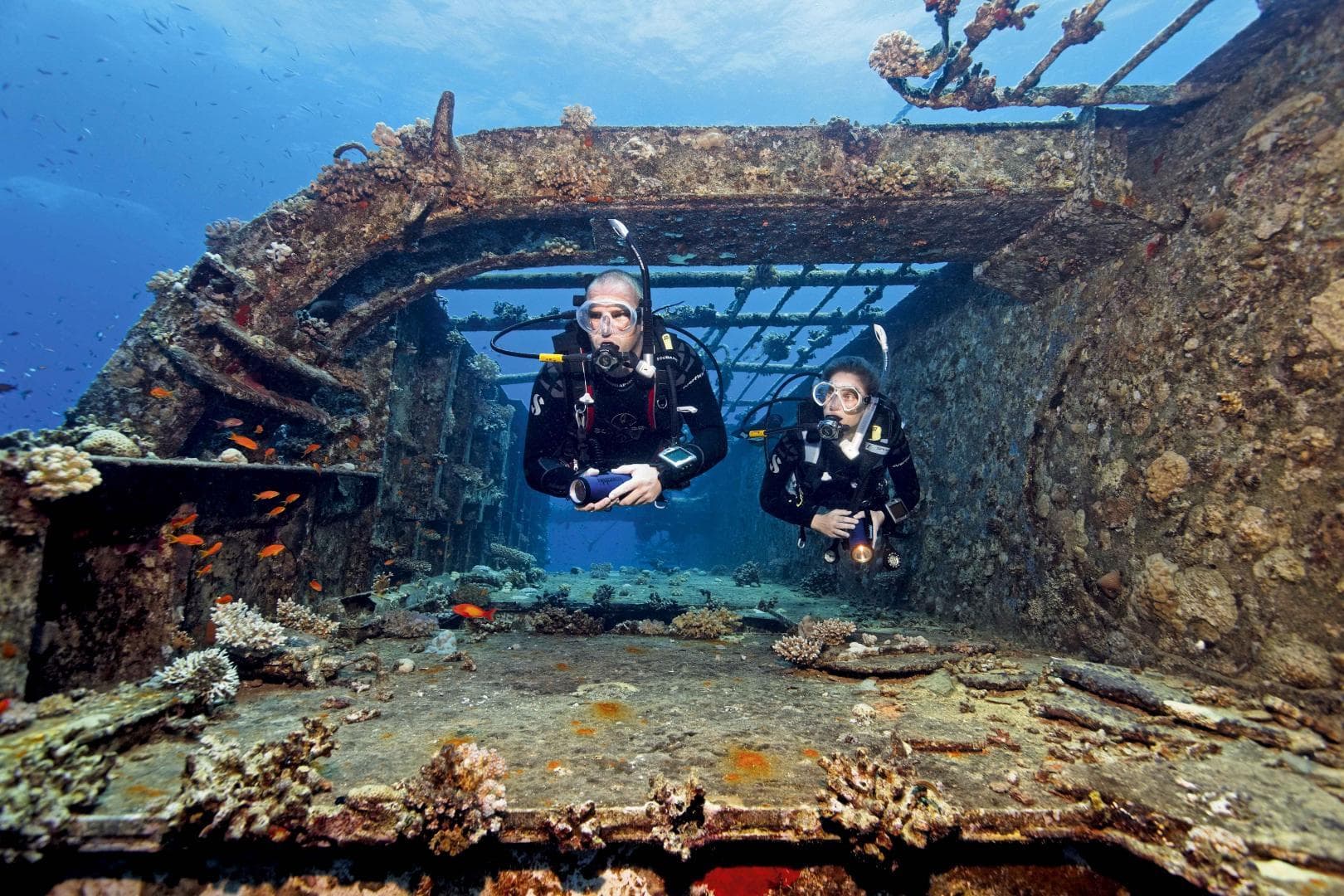
PADI Wreck Diver Course Andaman
₹20,000per person + 18% GSTView Details
PADI Peak Performance Buoyancy Specialty Andaman
₹15,000per person + 18% GSTView Details
PADI Drift Diver Course Andaman
₹15,000per person + 18% GSTView Details
PADI Boat Diver Specialty Course Andaman
₹12,000per person + 18% GSTView Details