Nursery
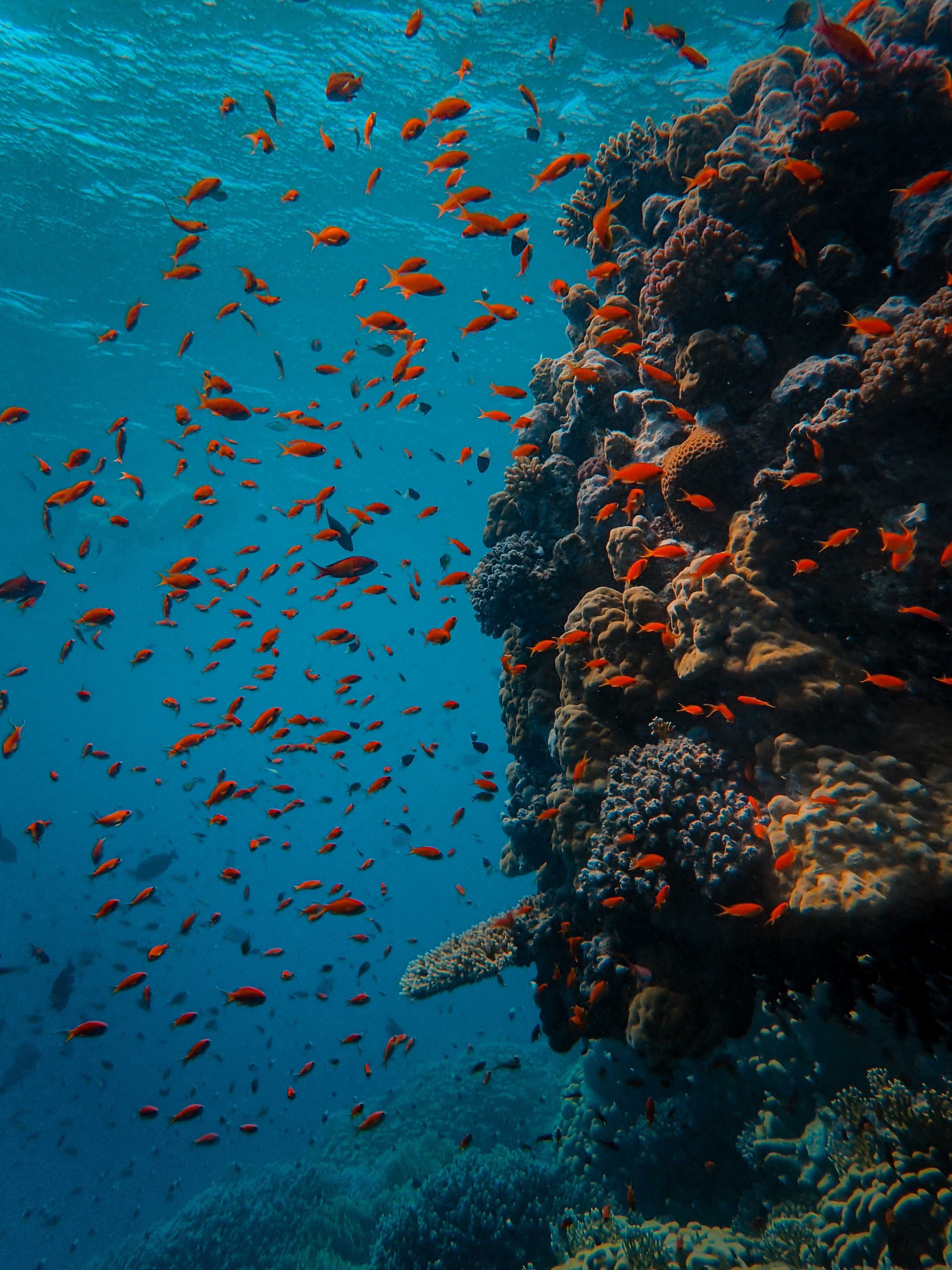
Discover a shallow coral reef filled with juvenile tropical fish and fascinating marine life at Nursery, Neil Island.
- Depth
- 6 - 12 m
- Visibility
- 10 - 25 m
- Entry
- Boat entry
- Water
- 27 - 30°C
Nursery is a beautiful shallow-water scuba diving site located approximately 2 km west of Neil Island (Shaheed Dweep), in the Andaman Islands. This natural fringing reef features gently sloping coral formations, sandy patches and shallow reef habitats that provide shelter for a wide variety of marine life. Divers can encounter schools of juvenile reef fish, butterflyfish, blennies, dottybacks, lobsters, octopuses, cuttlefish and blue-spotted stingrays. The surrounding seagrass areas may also attract dugongs. With depths generally ranging from 6 to 12 metres, Nursery is an excellent destination for beginner divers, training dives, underwater photography and relaxed reef exploration.
Nursery is a shallow-water scuba diving destination located approximately 2 km west of Neil Island (Shaheed Dweep), in the Andaman and Nicobar Islands, India.
The site is a natural fringing reef characterised by gently sloping coral formations, sandy patches and shallow reef areas. Its protected underwater environment provides shelter and feeding grounds for juvenile fish and a variety of small marine creatures.
As its name suggests, Nursery is particularly interesting for observing young reef fish and smaller marine species in their natural habitat.
Underwater Topography
Nursery features a gently sloping fringing reef extending from the shallow intertidal zone to approximately 12 metres.
The underwater landscape consists of coral formations, rocky patches, sandy channels and areas of seagrass. These habitats support a diverse ecosystem and create excellent opportunities for observing marine life.
Its shallow profile and relatively easy navigation make it an attractive location for beginner divers, training sessions and underwater photography.
Marine Life
Nursery is known for its diverse reef ecosystem and smaller marine creatures.
Divers may encounter:
- Juvenile tropical reef fish
- Butterflyfish
- Blennies
- Dottybacks
- Damselfish
- Parrotfish
- Lobsters
- Octopuses
- Cuttlefish
- Blue-spotted stingrays
- Groupers
- Nudibranchs
- Dugongs (occasional sightings around nearby seagrass beds)
The abundance of smaller fish and macro marine life makes Nursery particularly interesting for underwater photographers and marine-life enthusiasts.
Diving Experience
Nursery offers a relaxed and shallow reef diving experience, making it suitable for beginners, certified recreational divers and supervised introductory diving experiences.
Its gradual depth profile provides a comfortable environment for practising basic diving skills, buoyancy control and underwater observation.
The shallow reef also makes Nursery suitable for snorkelling when surface conditions are favourable.
Divers should maintain good buoyancy control and avoid touching corals, disturbing juvenile fish or damaging the fragile reef ecosystem.
Best Time to Dive
October to May is generally considered a favourable period for scuba diving around Neil Island.
December to April often offers more consistent sea conditions and underwater visibility.
During the monsoon season, from June to September, weather, swell and visibility can become unpredictable.
When to dive it
Best conditions: October - May
Outside those months the site still gets dived - visibility and sea state just move around, so ask us what the water is doing the week you are here.
What the water is doing
The figures our guides brief on. They are what the site usually gives you - the sea gets the final say on the morning, and the boat briefing always wins.
- Depth6 - 12 m
- Visibility10 - 25 m
- Water temperature27 - 30°C
Under the surface
Before you dive
The rules every diver on this site is held to, whichever trip brings you here. None of them are negotiable, and none of them are a surprise on the day.
Minimum age
Ten years old for a first guided dive, twelve and above for certified diving. Ask us if you are travelling with younger children.
Medical declaration
You will complete a diver medical questionnaire before entering the water. A "yes" to any question means a doctor has to sign you off first, so tell us early rather than on the boat.
Flying after diving
Leave at least 18 hours between your last dive and your flight. Book your trip home with that gap already in it - we cannot shorten it for you.
Insurance
Bring travel insurance that names recreational scuba diving, including chamber treatment and evacuation. We will ask to see it.
This is general guidance for recreational diving, not medical advice about you. If any of it is a question rather than a formality, speak to a doctor before you travel.
Other sites we dive
 Open Water Diver and up
Margherita's Mischief
Explore a fascinating underwater boulder maze with colourful reef fish, stingrays and occasional dugong sightings near Neil Island.7 - 16 mVisibility 10 - 25 mExplore site Open Water Diver and up
K-Rock
Explore a volcanic underwater rock formation surrounded by vibrant marine life in the Andaman Sea.12 - 19 mVisibility 10 - 25 mExplore site Open Water Diver and up
The Slope
Explore an Amphitheatre of Coral Ridges and Thriving Marine Life5 - 20 mVisibility 10 - 24 mExplore site
Want this site on your log? Tell us when you are on the island and we will put you on the boat that goes there.
What people say once the boat is back in
Best first dive I could have asked for. The instructors were unbelievably patient - I panicked at four metres on the first attempt and nobody made me feel stupid about it. Second attempt went fine and I finished the course three days later.
Rahul MenonOpen Water Diver Only one of us dives. Every other operator we spoke to had a plan where the other one sat on a beach for four days. Aqua Nomad put the snorkel line off the same boat, so we were in the same water the whole week - and by day three I had done a Discover Scuba dive too. The sunset sailing on the last evening was the best hour of the trip.
 Priya and Arjun NairHoneymoon, February
They called the Dixon crossing on our first morning because of a swell, and I was quietly annoyed. We dived Jackson Bar twice instead and it turned out to be the best day of the week. Getting Dixon on day three in flat water made the point - they were right and I was wrong.
Daniel OseiAdvanced Open Water Diver Two teenagers, neither of whom had dived. The instructors worked one-to-one with both of them for the first two dives without us asking, and my daughter has since booked her Open Water for next December. Whatever they did, it worked.
The Fernandes familyFour divers, two of them under fifteen I cannot swim well and I said so when I booked. They ran the whole thing one instructor to one diver, stayed in the shallow half of the bay, and never once made it feel like a concession. I have since done the swim assessment and the full course.
Aditi SharmaOpen Water Diver