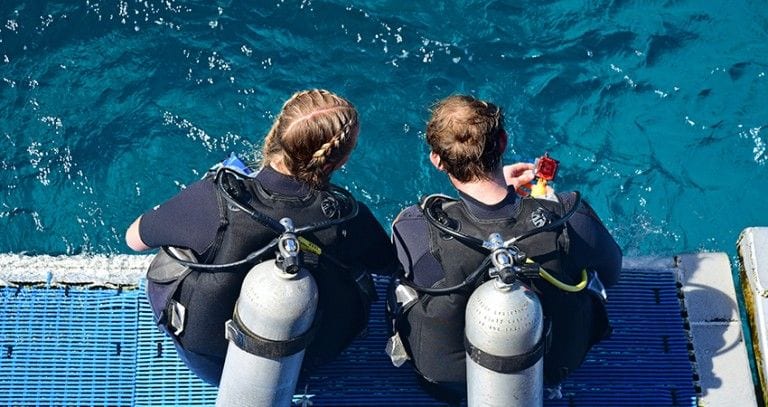
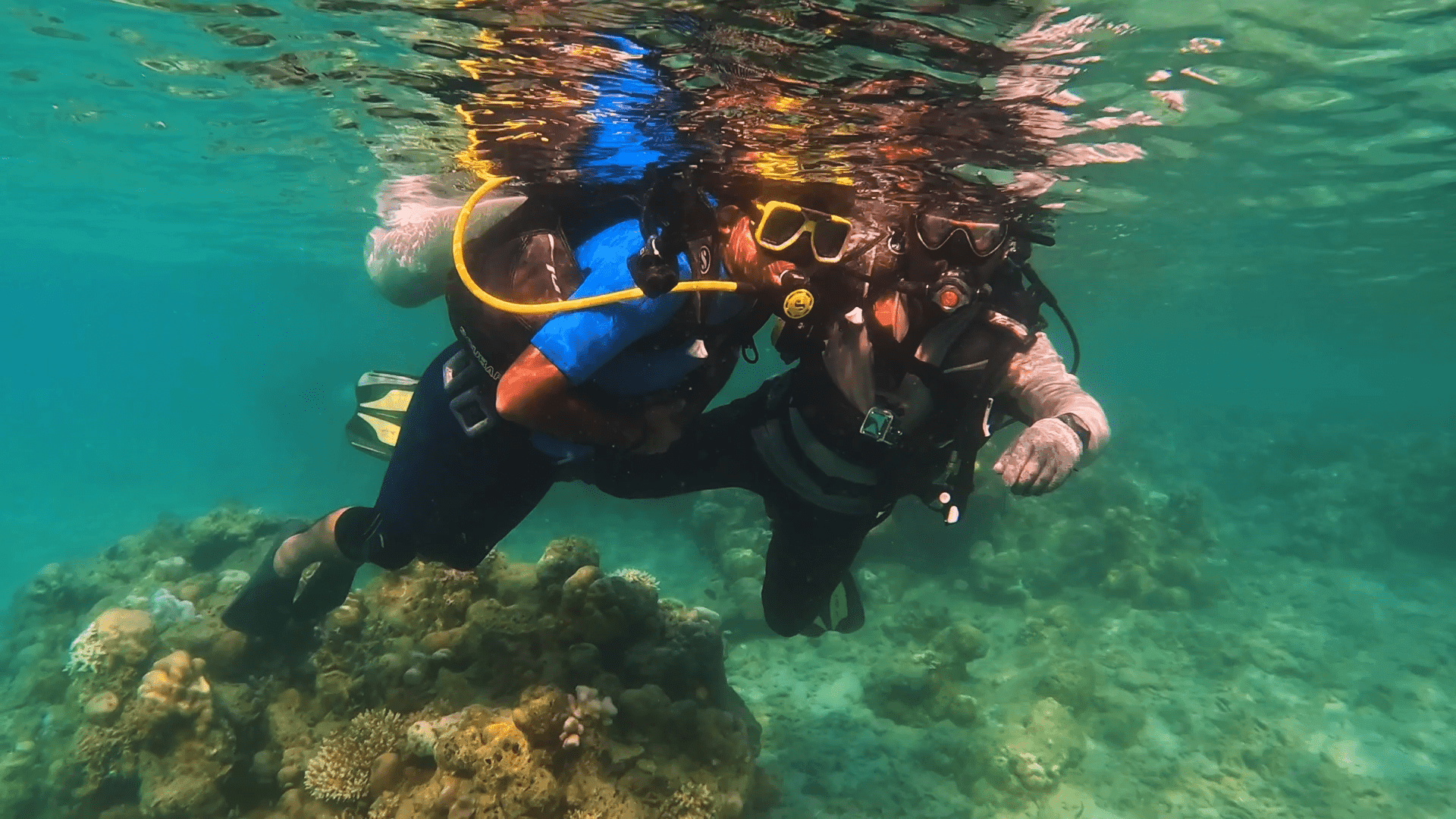
Scuba diving can be one of the most exciting things you do underwater. It allows you to get up close to sea creatures and vibrant corals. You will be able to view some amazing underwater views which most tourists only dream of seeing. Scuba diving allows you to get underwater and breathe using special scuba equipment. You will be accompanied by a professional diver. Although the thought of breathing underwater may seem slightly strange for many, there are a lot of questions related to scuba diving, such as safety issues, swimming skills, scuba equipment, pressure levels, and possible training needed.
Scuba diving is the perfect way to begin your diving adventure! You can do your training course ahead of time. This guide will help you if you're looking to have your first underwater experience or want to do a diving course. It will provide you with information about scuba diving, equipment and techniques used in the diving process, a variety of diving types, safety issues, and the beginning of your diving experience.
What Is Scuba Diving?
Scuba diving is a water sport using a particular breathing apparatus. Compressed air can be used with a regulator. SCUBA stands for Self-Contained Underwater Breathing Apparatus. This has more flexibility than surface-supplied breathing apparatus because your compressed air is in a cylinder attached to your apparatus. You can go into different places such as coral reefs, underwater rock formations, marine areas and shipwrecks. The depth you can go down to depends on how trained/qualified you are. When you first start scuba diving, you will have an introduction session with a qualified instructor/professional.
You will learn all about the equipment, hand signals and some safety procedures. Scuba diving helps you learn to breathe, float and control yourself. With basic knowledge, you are able to truly enjoy this activity; it will also show you why we need to take care of marine life. If you love an adventure sport that involves travelling and marine life, then this is a great activity for you. How much you enjoy this will depend on your age, health, swimming ability, training and the requirements of the diving company.
What Does SCUBA Stand For?
SCUBA stands for Self-Contained Underwater Breathing Apparatus. The word gives you lots of useful information. It tells you that it is self-contained, meaning that it has its own air supply; underwater, meaning it is used for breathing underwater; and breathing, meaning that it has a regulator so that you can breathe at the correct pressure.
Apparatus refers to the equipment as a whole. Modern SCUBA equipment is easier to use for exploring underwater. Most equipment will consist of a cylinder, regulator, buoyancy control device, mask, fins and other essentials. Originally, SCUBA was an acronym but is now commonly used as a general term. You will often hear people mention scuba diving.
How Does Scuba Diving Work?
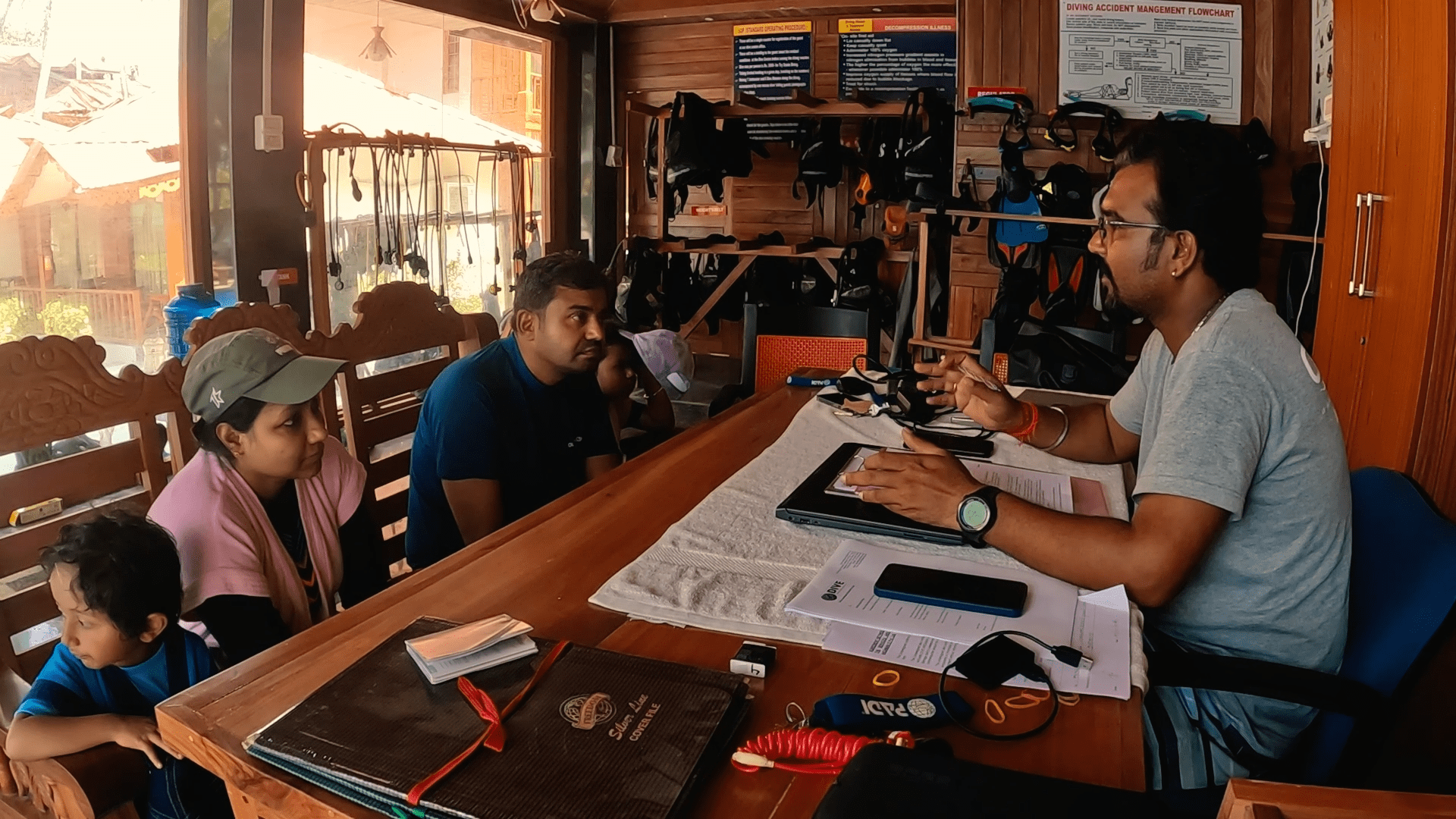
Thanks to the air cylinder and regulator, you are able to breathe whilst scuba diving. When you take a breath through the regulator, you are blowing air into your lungs. You are breathing air at the same pressure as the surrounding water. As you go deeper into the water, the pressure increases. However, because of your equipment, you are breathing easily. Knowing the basics of scuba diving will help you to understand how it works. Especially as you are going to be going underwater for the first time.
1. Breathing Underwater
Scuba cylinders contain a gas (usually compressed air) which can be breathed by the diver. Different gas mixtures are used depending on the type of diving. The regulator connects to the cylinder and reduces the pressure of the gas in the cylinder to produce the correct pressure for the diver to breathe at their depth. When breathing in through the regulator, gas will flow into your lungs. When breathing out, the gas will be released through the exhaust system in the regulator. This creates bubbles which will float to the surface. As long as there is enough gas and everything works, you will be able to breathe continually whilst underwater.
2. Understanding Water Pressure
As we go deeper, the water pressure will increase. At sea level, we have around 1 bar of air pressure. For every 10 metres of seawater, we get about an additional bar. Therefore, someone diving to 10 metres will have around double the absolute pressure of someone on the surface. 20 metres would be around three times the pressure of the surface. This will affect the air spaces within our bodies and equipment. Divers will need to know how to equalise their ears and any other relevant air spaces. With proper training, they will know the correct rate to ascend and how to do so safely.
3. Controlling Buoyancy
Buoyancy is your ability to sink, float or hover. Scuba divers have a device called a Buoyancy Control Device (BCD) which allows them to add air or remove air so they can control how buoyant they are. They will adjust the amount of weight they are wearing, breathing and their equipment to allow them to hover. This will enable them to stay at the same depth and will prevent them from accidentally bumping into any coral reefs or objects underwater.
4. Descending and Ascending
On a typical recreational scuba dive, the diver will first start by descending at a steady rate. Once in the water, they will complete all safety checks required before descending with their instructor or buddy. They will equalise their ears frequently during the descent. The diver will also keep an eye on their depth and air supply. When ending the dive, the diver will ascend slowly, keeping to the training and planning that they have done. Depending on the profile and procedure of the dive, the diver may do a safety stop. You should go up slowly because the pressure will change and affect your gases inside your body. You must not ever hold your breath when going up.
Important Scuba Diving Safety Practices
1. Listen to your instructor
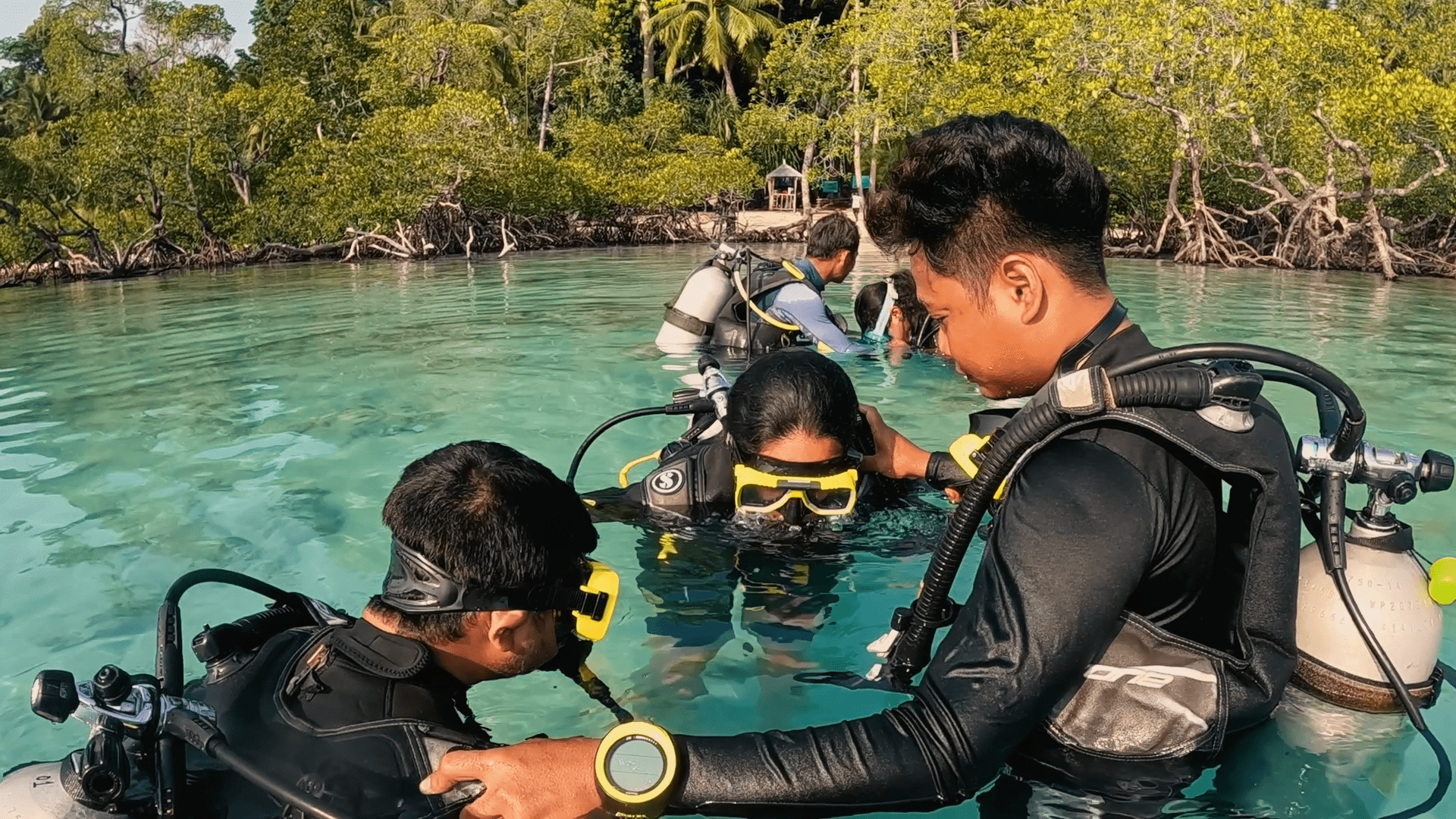
Always listen carefully to the safety instructions that are given to you during your pre-dive briefing. Always do exactly as your instructor tells you to do with your equipment, communication underwater, breathing and emergency procedures.
2. Don’t hold your breath!
Holding your breath underwater can cause serious lung damage. Especially if you are ascending. Always breathe normally and do what your instructor says.
3. Equalise your ears.
As you go underwater, the pressure from the water will increase. Equalising your ears will help to balance your middle ear. If you feel any pain, then stop going down and tell your instructor.
4. Check your air supply.
Certified divers should regularly check their air supply whilst diving. You should follow your dive plan and never wait until you’re running low on air.
5. Good buoyancy control.
Having good buoyancy control will allow you to stay in a comfortable position underwater and won’t cause damage to the coral reef.
6. Ascend slowly.
All divers must ascend slowly. You should follow proper procedures to ascend as per your training and plan. Complete any safety stops if required.
7. Don’t exceed your level of training.
Don’t exceed the level you’ve been certified to. If you want to go into more advanced environments, go deeper or do specialist activities, you’ll need extra training.
8. Don't engage in diving when not feeling well.
Refrain from diving in cases where you may be unwell, tired or have consumed alcohol or any drugs. It is vital to answer honestly any medical questions when filling out your medical form for your diving course.
Risks of Scuba Diving
As a new diver, it is important that you understand the risks involved in scuba diving as well as following any instructions and precautions.
Barotrauma – This can cause damage to your ears, sinuses or other air-filled cavities due to pressure changes.
Decompression Sickness – Bubbles of dissolved gas can form inside the body when pressure is reduced incorrectly.
Pulmonary Overexpansion Injury – Injury to the lungs due to increased gas volume which cannot escape during ascent. This can happen if you hold your breath.
Ear Pain – Pain can occur if pressure is not balanced correctly when descending.
Equipment Issues – Problems with regulator, cylinder, etc.
Environmental Issues – Currents, waves, poor visibility and weather.
However, with proper training, good planning, checking of equipment and sensible choices, these risks can be minimised. It is everyone’s responsibility (diver, instructor and dive operator) to stay safe while scuba diving.
Who Can Go For Scuba Diving?
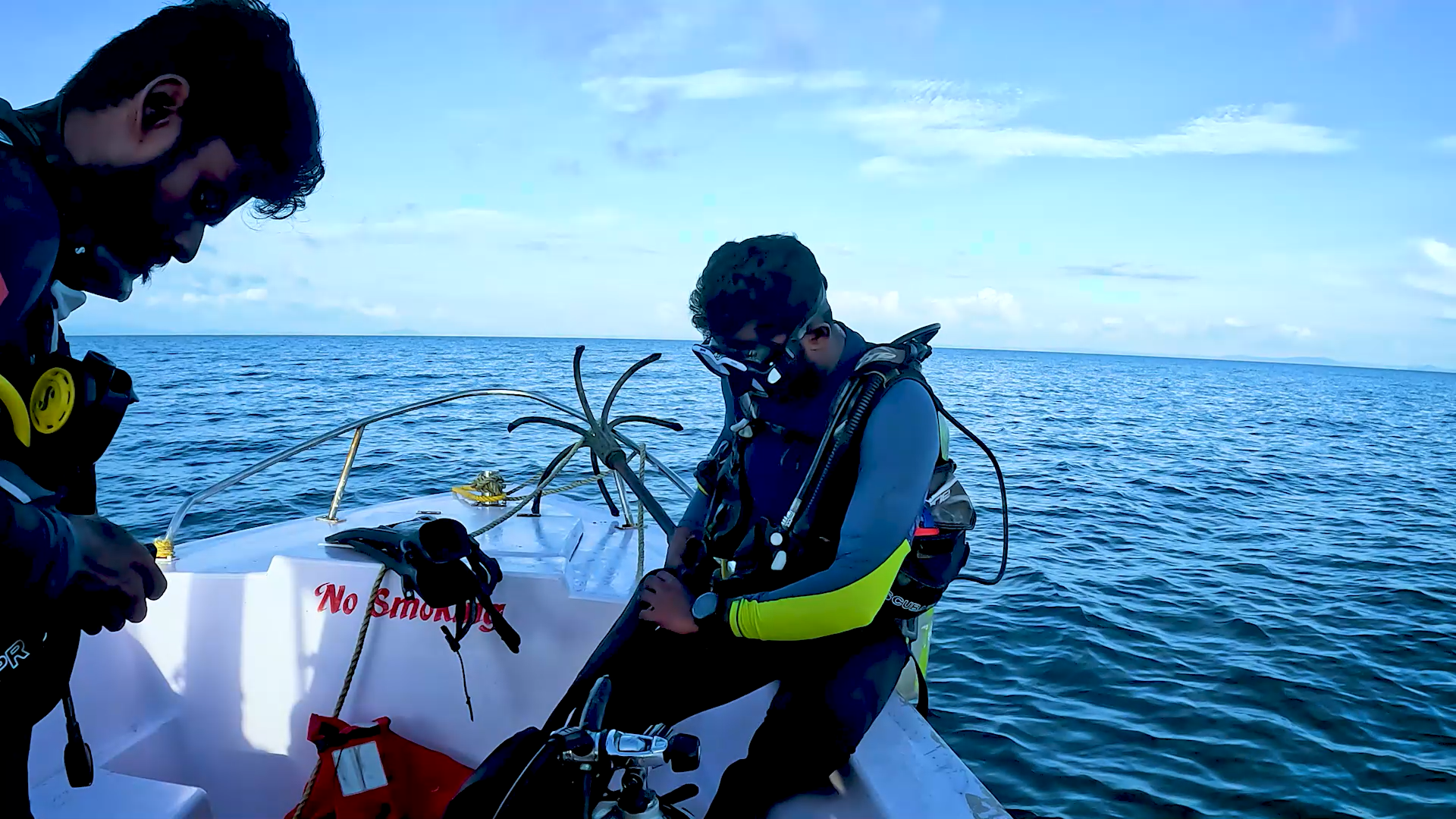
Scuba diving is accessible to a wide range of individuals. This can depend on your age, fitness and physical capabilities; however, there are no prior requirements needed to take part in a beginner session. During this session, you will learn the basics from a qualified instructor and will be supervised throughout. If you want to become a certified diver, you can sign up for an introductory course once you have met the required prerequisites.
Minimum Age for Scuba Diving
The minimum age will depend on the training organisation and diving programme being undertaken. PADI offer programmes for young divers that include introductory and junior certification programmes that can begin from the age of 10. There are specific rules when training young divers & teenagers. These include limits on depths, supervision and certifications required. All these will need to be adhered to during their training.
Can Older Adults Go Scuba Diving?
You do not need to be young to go scuba diving. Older people may take part as long as they are fit and meet all the criteria for the activity and programme they want to take part in. However, there are some medical conditions, medication and physical restrictions that may affect suitability for scuba diving. You must make sure you complete all the medical screening and speak to a suitable medical professional.
Who Should Avoid Scuba Diving?
There are some medical conditions which would mean that you wouldn’t be able to do scuba diving. If you have any Heart or Lung issues, Asthma, certain Neurological conditions, have had an operation or have any other medical issues related to diving, please speak to your diving doctor. Be honest on your medical form. If you are unsure whether you are fit to dive, try to do some tests with a health professional.
Do You Need to Know Swimming for Scuba Diving?
The requirements will depend on what kind of scuba diving you want to do. If you are doing an introductory course like Discover Scuba Diving there will be different requirements than if you are getting your full certification. Some courses will allow you to go scuba diving even if you aren’t a strong swimmer. As long as you can meet the safety requirements of the course, you can go scuba diving with very close supervision. However, you should never presume that you can go on any dive centre or introductory course if you can’t swim.
To get PADI Open Water Diver certified, you need to be able to swim 200m, float/tread for 10 min, or swim 300 m wearing a mask, snorkel and fins. Being a good swimmer will help you feel more confident when in the water, and you’ll be fine if anything unexpected happens. If you’re not too confident, then don’t hesitate to tell the dive centre. They can give you advice on the best beginner courses for you and whether you need to improve your swimming.
What Types of Scuba Diving Are There?
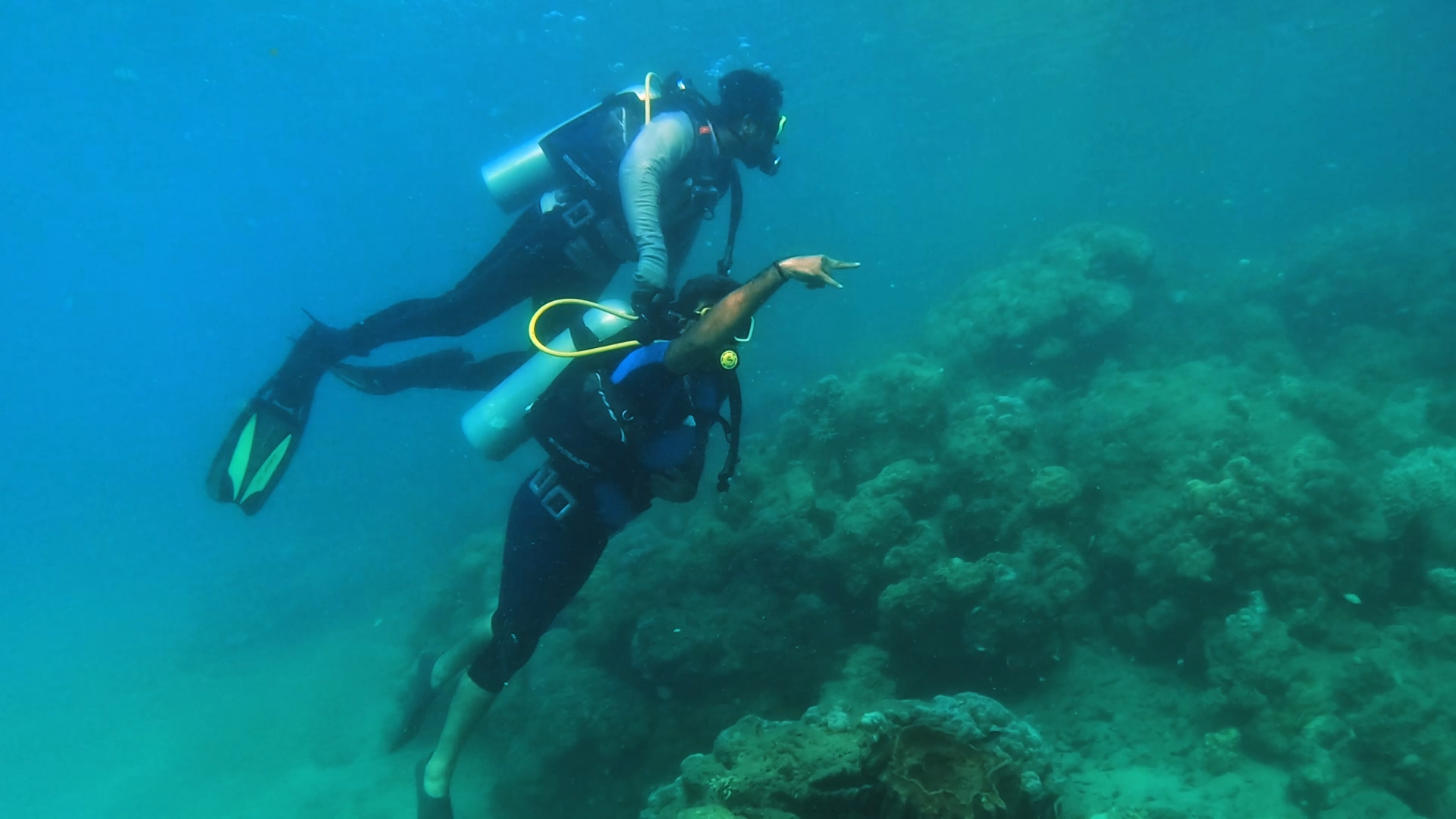
There are many activities that you can take part in when diving. You can explore a range of underwater environments. The type of diving undertaken makes a difference as far as the experiences offered in terms of the particular venue, depth, marine inhabitants and the necessity of certain skills. Generally speaking, novices begin their diving practice by learning the basics of diving with an instructor and later move on to more advanced disciplines.
1. Reef Diving
Reef diving means the exploration of different types of reefs. Coral reefs are the home for bright coral formations, tropical fish and a range of different marine organisms. This kind of diving has gained popularity among beginners who may dive in shallow waters, thus observing the underwater inhabitants. While diving, one has to be careful as far as buoyancy is concerned and refrain from touching corals.
2. Deep Diving
Deep diving is diving beyond the limit of short-distance diving available to beginners. With the increase in depth, the level of pressure increases, which means that the amount of gas consumed also grows. It is necessary for scuba divers to learn about gas management and recognise limits as well as safety measures before diving.
3. Wreck Diving
Wreck diving refers to the exploration of submerged wreckages of boats, vehicles, or wreckage. The remains of destroyed wrecks aid in studying history, as they act as artificial reefs for marine life. However, a wreck could include hazards like being trapped, edges, and narrow spaces. To explore the wreck, one needs to go through adequate training and equip themselves appropriately.
4. Night Diving
Night diving involves diving into water after sunset, when the visibility underwater is determined by artificial light. Exploratory diving is a type of diving that is famous for facilitating the discovery of underwater organisms. Some species become more active once the light diminishes due to the lack of light. It is vital to obtain proper skills, training, and necessary means of communication before diving at night.
5. Drifting Dive
Drift diving describes a diving method that relies on the help of water currents. This will prevent the need to swim and paddle since the water will lead the divers along the defined path. For effective drift diving, it is essential to have proper skills in buoyancy and be aware of all the underwater conditions.
6. Underwater Photography
Underwater photography is a method of capturing underwater scenery and marine life by means of a camera. It can involve a wide variety of equipment and film development techniques. When engaging in underwater photography, it is advisable to develop proper buoyancy skills first to prevent emergency situations underwater.
7. Cave Diving
Cave diving means exploring underwater caves and underwater environments that are restricted from access. This type of diving has a lot of dangers associated with it that necessitate extensive training and preparation.
What Can You Expect During Your First Scuba Dive?
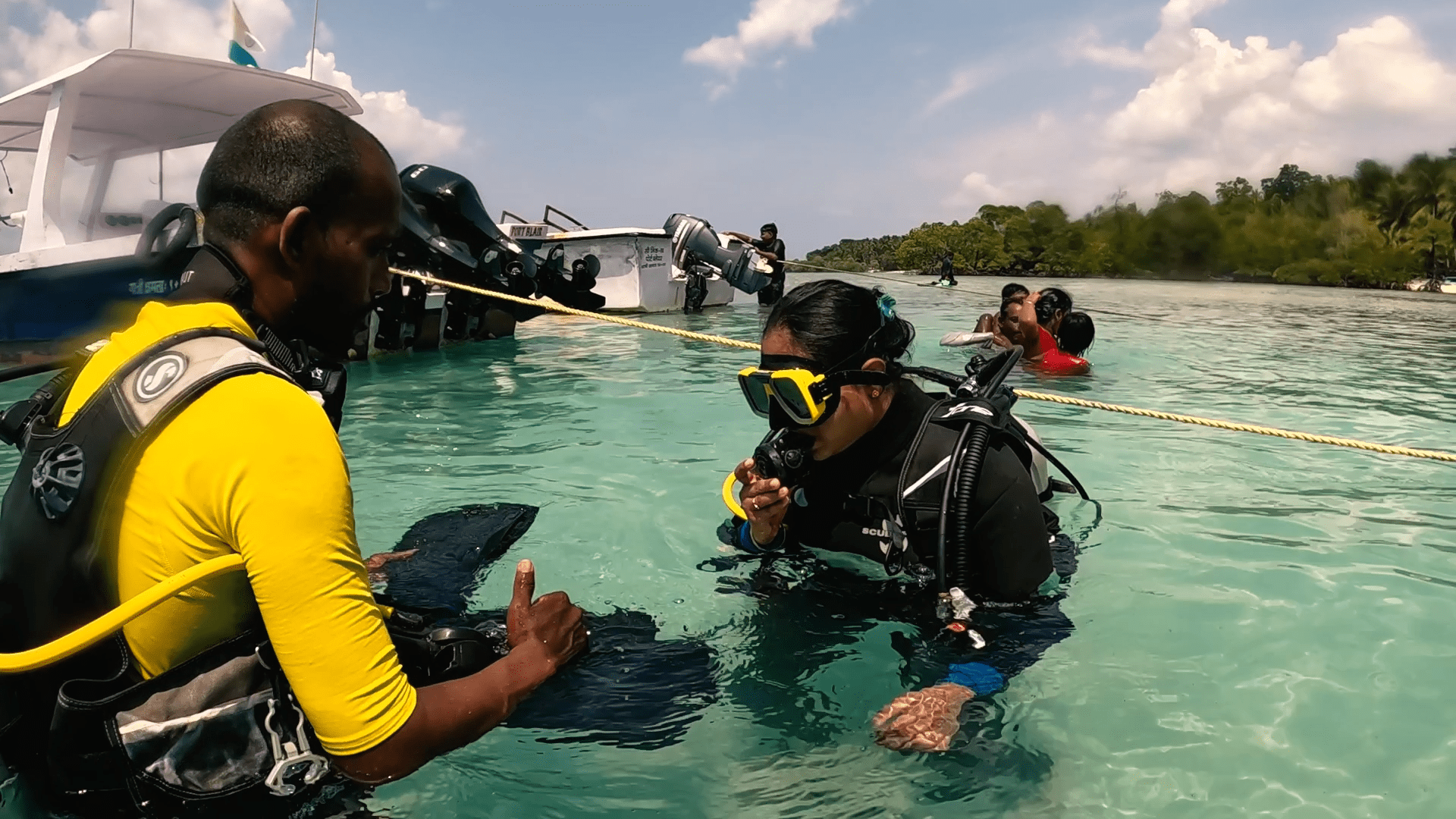
Your first scuba diving excursion is typically a mix of preparation, learning to handle equipment, basic training, and supervised exploration. The objective of the course is for beginners to acquire the fundamental skills gradually and be more assured with breathing underwater. Although the experience may vary depending on the situation and dive centre, the sequence of events will include the following steps.
1. Registration and Basic Assessment
Before diving, the instructor collects all the necessary information and provides you with the requirements. At this stage, you may need to fill in a medical questionnaire to check your safety. It is very important to give honest answers, as, depending on your answers, you may need to get medical clearance for diving.
2. Familiarisation with Equipment
After signing in, your instructor will show you the equipment that you will be using. You will become familiar with the different pieces of equipment, including the Cylinder, Regulator, BCD, Mask & Fins. Your instructor will then explain how everything works and demonstrate how to breathe using the regulator.
3. Fundamental Diving Skills
Prior to entering the water, you will gain fundamental skills depending on your training course. This will include regulator breathing, mask clearing, ear equalisation and understanding buoyancy. The instructor will demonstrate each of the exercises and then assess whether you are ready.
4. Getting into the Water
Once you learn all that is necessary about the equipment and all the instructions, you will go diving. Your instructor checks that you have everything at the ready before entering the water. You will feel very relaxed breathing through the regulator. Many people find this a strange experience; however, if you stay calm and do as you’re told, it will make the process much easier.
5. Going Underwater
You’ll begin to slowly go underwater. You’ll learn some essential skills such as ear-squeezing, breathing and being aware of what is going on around you. Your instructor will be with you throughout.
6. Observing Underwater
At this point, you will begin to take notice of your surroundings. You may also see some beautiful coloured fish, corals and marine life depending on where you are. You will be guided by your instructor to ensure you are at a safe distance.
7. Ascending on the Surfaces
Whilst ascending to the surface, you will still follow your instructor's instructions. On reaching the surface, your team will assist you out of the water and remove your gear. This is a great time to discuss how you got on, ask any questions and find out what your options are for your next dive. Your first-ever scuba dive is just the beginning of many underwater adventures. This is also a great opportunity to understand if you want to progress to further training to become a qualified diver.
How Does Scuba Diving Equipment Work?
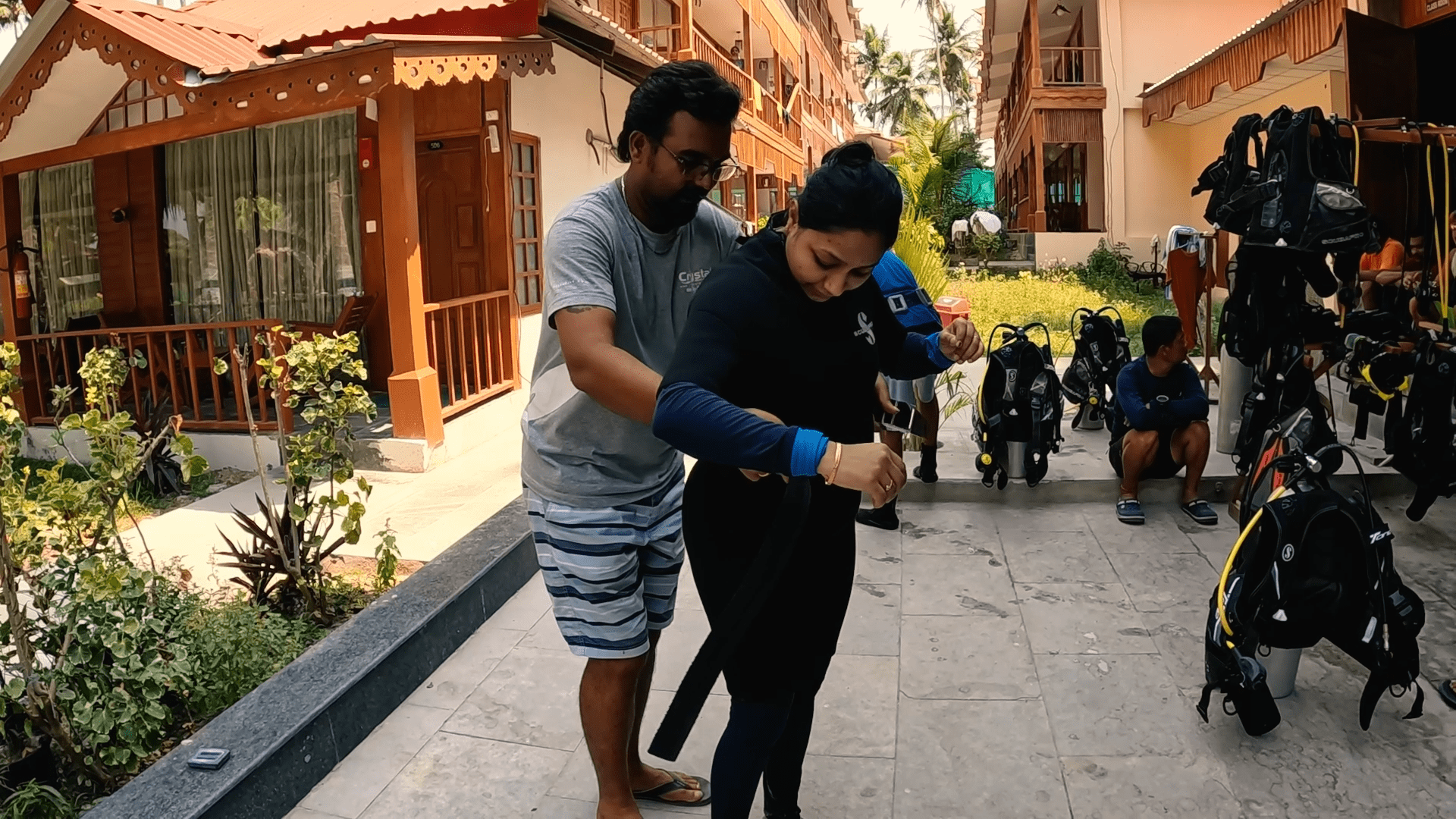
Scuba diving equipment will help you to breathe, swim, see, float and be safe underwater. Everything has been designed to do a certain job, so knowing what they can do will help you feel more comfortable as a new diver. Key equipment items are the Scuba Tank, Regulator, BCD, Mask, Fins, Thermal protection and Gauges.
Scuba Diving Cylinder
The scuba tank is a container for breathable compressed air. It can be either aluminium or steel and comes in many sizes. This tank feeds into the regulator. This allows the diver to control how much air they are breathing. There is also a pressure gauge so they know how much air they have left. Before going in the water, the diver will check that all of their kit is working properly and that there is enough breathable air for them to do what they want to do.
Scuba Diving Regulator
One of the most important pieces of scuba kit is the regulator. This reduces the high-pressure gas in the cylinder to breathable pressure. Most recreational regulators will consist of a main secondary stage, spare air source and primary stage attached to the cylinder. The main secondary stage is the mouthpiece you breathe through normally, and the spare air source provides an alternative air supply for emergencies.
Buoyancy Control Device (BCD)
A Buoyancy Control Device (BCD) is an inflatable jacket or vest that attaches to the cylinder and helps divers control buoyancy by adding or releasing air. This helps divers stay on the surface, have control underwater and get into a neutral position. It is an important part of beginner scuba training that you will learn how to use your BCD correctly.
Scuba Diving Mask
The mask allows you to have a pocket of air in front of your eyes so that you can see clearly underwater. Without an airtight mask, your eyes won’t be able to focus underwater. Your mask should fit well so that it forms a good seal and doesn’t cause any unnecessary discomfort while you are able to see your surroundings.
Scuba Diving Fins
Fins provide extra surface area across the bottom of your feet, which will provide you with more movement per kick. There are many different types of fins, but as a diver who is just starting out, you will use fins appropriate to your comfort, diving style and underwater conditions. If you use correct finning techniques, you won’t accidentally kick up sediments or damage corals.
Protection from Exposure
Depending on the water temperature, you will wear a wetsuit or rash guard. The wetsuit keeps you warm because it traps a thin layer of water between your skin and the suit. This then gets warmed up by your body so less heat is lost. The correct protection from exposure depends on the water temperature, how long you’ll be diving for and your personal preferences.
Other Useful Equipment
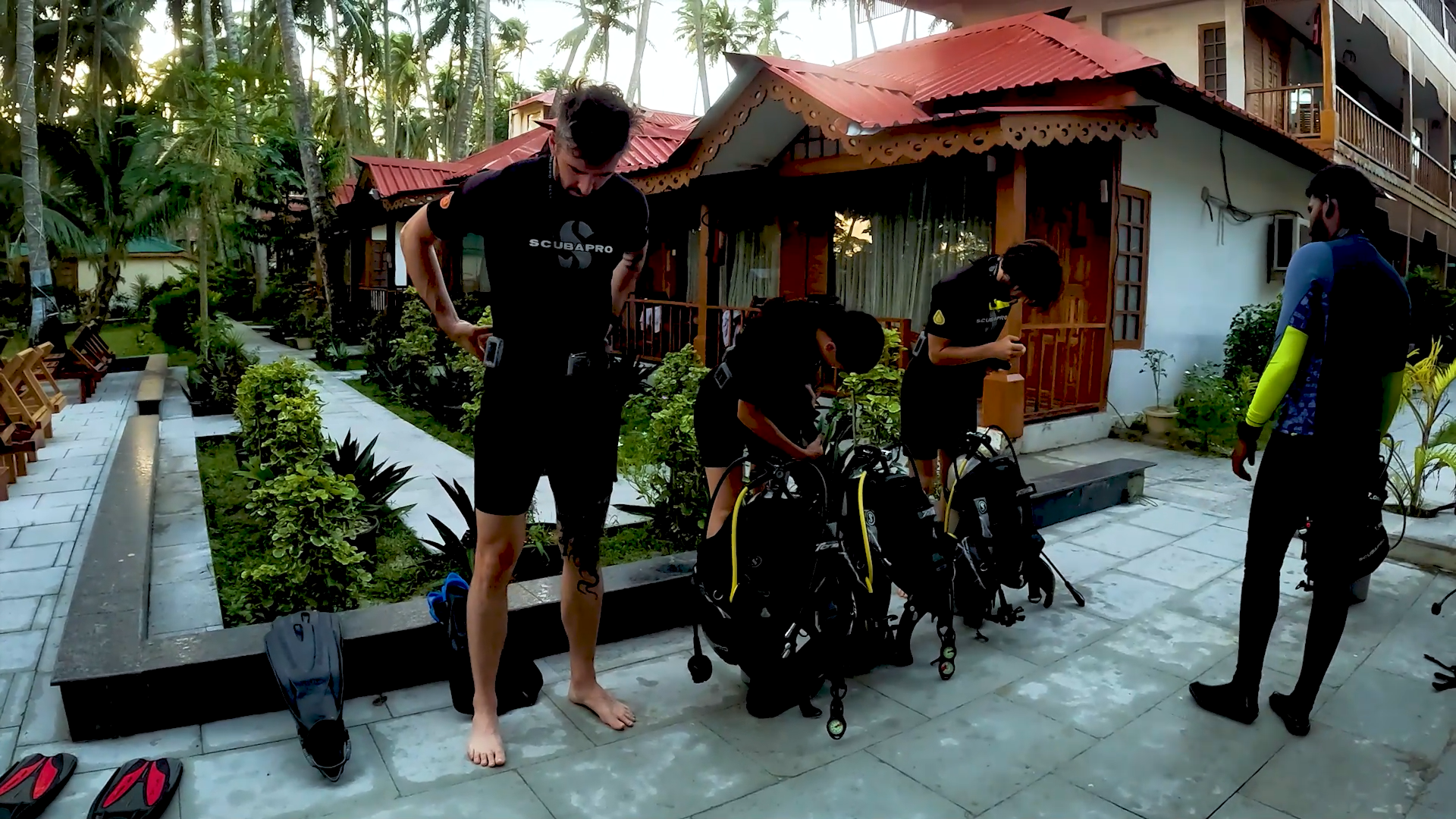
In addition to the main scuba diving equipment, there are various pieces of equipment that can assist with monitoring your dive and keeping you buoyant.
Dive Computer
Can be used to monitor your depth, duration and other information.
Pressure Gauge
Can be used to see how much air you have left in your tank.
Weight System
Helps divers stay at the right level of buoyancy by balancing the buoyancy of your body and equipment.
Surface Marker Buoy (SMB)
Can be used to show where you are on the surface.
Compass
Can help you to navigate underwater.
Dive Light
Can be used to provide light in low-light situations and specialised dives such as night diving. Most dive centres will supply you with all the required equipment to carry out your dives whilst being supervised by your instructor. Your instructor will go through with you what each piece of equipment is used for and how to use it safely.
Is Scuba Diving Difficult for Beginners?
Although scuba diving may appear to be a complex activity to do, it can be extremely easy to get started on a guided beginner course. You will learn correct gear usage, breathing through your regulator, ear equalisation and some basic safety rules. The hardest thing to get used to as a beginner is breathing underwater. You will get to practice buoyancy control and underwater movement; however, with good tuition, it will be much easier. Don’t rush yourself, and if you are uncomfortable, tell your instructor. If you wish to become more independent whilst diving, you can take an entry-level certification course.
How to Prepare for Your First Scuba Dive
Although you don’t really need any prior knowledge of scuba diving, you can feel more confident preparing for your first dive. Here are some tips:
Choose A Reputable Centre : Check that they have well-trained instructors who are committed to health and safety, quality equipment and friendly and professional staff who can explain things clearly.
Be Honest On The Medical Form : Understanding your medical history will help you to make an informed decision. Be honest when answering any medical questions. You may need a medical clearance.
Get a Good Night's Sleep : Don’t go into your session tired. Getting a good amount of sleep will help you focus during your briefing.
Stay Hydrated : Drink plenty of water. Don’t drink too much alcohol.
Wear Comfortable Swimwear : Ensure you are wearing comfortable swimwear that will fit underneath your gear. The centre can advise you on any extra clothing you may need and any exposure protection.
Listen To Your Briefing : Listen very carefully to your instructor about breathing, using your equipment, hand signals, equalising and safety features. Ask any questions you have.
Don’t Rush : Scuba diving is not a race, so take it easy and ask your instructor any questions you may have.
What Should I Wear?
Wearing the right clothing will keep you comfortable whilst wearing your diving gear. Most people will be fine wearing swimming clothes for the first session. Depending on the temperature of the water, you may also be asked to wear a wetsuit and other protective clothing by your dive centre.
Clothing Suggestions:
Swimwear – Ensure you are wearing something comfortable and a good fit under your diving gear.
Rash Guard – Extra protection and helps keep you out of the sun.
Wetsuit – Protection from the cold depending on the water temperature and how long you will be diving for.
Water Footwear – Could be useful if you have to enter/exit the water.
Extra Clothing – Have some dry clothes to change into.
Avoid any loose jewellery or clothing that may cause a problem with your diving gear. Your dive
How Much Does Scuba Diving Cost?
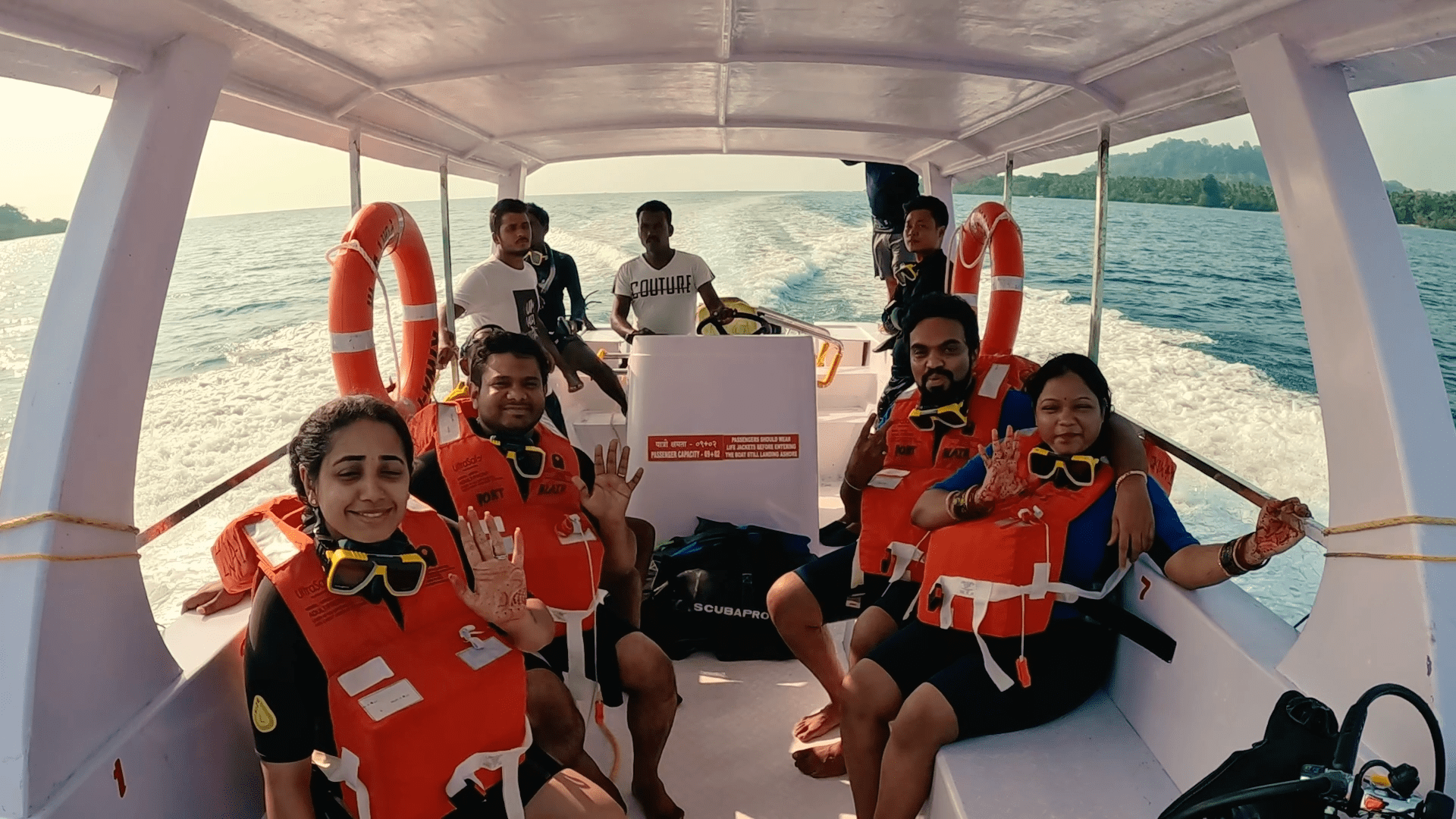
Scuba diving can cost different amounts depending on where you go, what kind of experience you want, where you are diving, what equipment you are using and how much training you receive. Normally, an introductory course will be cheaper than a full certification due to it being a shorter course and not giving you your own certification. There are many factors in how much it would cost.
1. Style of dive
If you are new to diving, Discover Scuba Diving and similar offerings will allow you to get a taste of breathing underwater. They will be less involved and therefore will cost more than a course where you will learn more skills. This will involve more training, learning and practical sessions. You will have to invest more in this form of diving.
2. Location of the Dive
Depending on where you are going to dive, prices will change. The local costs of running the dive, how easy it is to get there, how good the diving sites are and what facilities are available will all affect the price. Island locations which are popular may be more expensive than somewhere on the mainland.
3. Equipment Included
Some diving packages will include equipment hire, instructor supervision, transfers, underwater photos or videos. Some may include extra charges. Be sure to check what is included in your package.
4. Number of Dives
A package will include more than one dive but may be more expensive than a single dive. However, the total price per dive will depend on the package.
5. Certification Fees
Some courses will include training materials, certification, equipment and training. Make sure you get all the info you need on what's included in any courses you're looking at booking onto. Research what is included, who your instructor will be and what quality of training you can expect when looking into scuba diving in the Andaman Islands.
Why is Andaman a Great Place to Go for Scuba Diving?
The Andaman Islands provide a great opportunity to dive in tropical marine environments whilst enjoying the beautiful scenery of the islands. With a range of reefs to dive in, there are plenty of places to take part in scuba diving if you are into it! Here are some reasons why people travel to the Andaman Islands.
1. Range of Marine Life
There is a range of marine life to see underwater. There will be coral reefs, reef fish and a range of marine life. Depending on where you are diving, you can expect to see lots of tropical fish, sea turtles, rays and more. Whilst you might not always see these, you can enjoy viewing marine life in its natural environment.
2. Range of Diving Sites
There are several well-known diving spots. There are a range of different underwater environments to enjoy. Some sites are great for beginners, whilst others are better for certified divers.
3. Great for beginners
There are a number of dive centres in the Andaman Islands that offer beginner scuba diving. This means that if you are new, you can get to grips with using the equipment, learn some basic skills and get to experience breathing underwater, all under the guidance of professionals.
4. Further Training
The Andaman Islands are great for people who want to take their scuba diving further. You can try some beginner certification courses. Once you have done this (depending on availability and requirements), you can move on to more advanced training.
5. A Complete Island Holiday Experience
Scuba diving is an amazing activity to enjoy in the Andaman Islands. In addition to the diving opportunities, there are plenty of other things to do, including beach hopping, island exploring, sightseeing and kayaking. The islands are ideal for those wanting a combination of adventure and relaxation.
What Equipment Will You Need?
When trying scuba diving for the first time, you will not need to purchase any equipment, as most professional dive centres will provide you with the necessary scuba diving equipment.
However, knowing what equipment is needed can give you more confidence.
Essential Scuba Diving Equipment
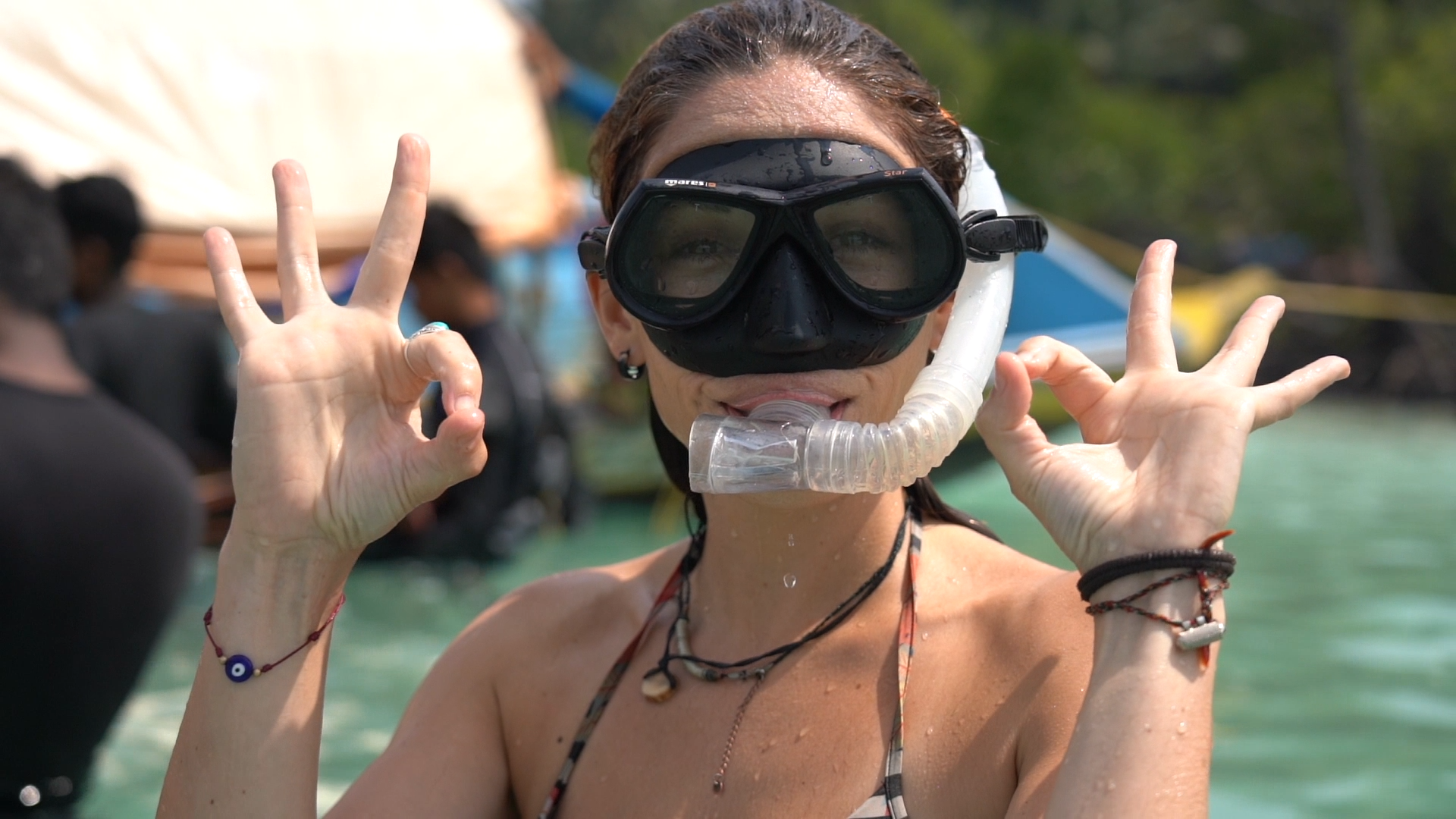
The following equipment is commonly used within recreational scuba diving:
Equipment | Purpose |
Scuba Cylinder | Stores the breathing gas used underwater. |
Regulator | Delivers breathing gas from the cylinder through the mouthpiece. |
BCD (Buoyancy Control Device) | Helps you control your buoyancy underwater. |
Mask | Allows you to see clearly underwater. |
Fins | Help you move through the water efficiently. |
Wetsuit or Exposure Suit | Provides thermal protection when required. |
Weights | Help you achieve the appropriate buoyancy for your dive. |
Dive Computer or Depth Gauge | Helps monitor depth and other aspects of your dive profile. |
Pressure Gauge | Shows how much breathing gas remains in your cylinder. |
Personal Items to Carry
Although dive centres generally provide the necessary scuba diving equipment, you may want to bring a few personal items for your comfort and convenience.
Swimwear
Towel
Waterproof sunscreen
Spare clothes
Do You Need to Bring Your Own Equipment for a Scuba Diving Course?
If you're taking a scuba diving certification course, it's worth asking the dive centre you're using if equipment hire is included. Some centres include equipment in the price of the course. Others may charge an additional amount. Knowing this in advance will give you a clear idea of what is included in the course.
How Deep Can You Go Scuba Diving?
This will depend on your level of certification, how much experience you have, the standards of the training, the conditions of the dive and what sort of diving you're doing. Introductory diving sessions will generally take place at fairly shallow depths with close supervision from a professional.
The instructor will decide how deep you go depending on how comfortable you are, the training you've had and the conditions. Certified recreational divers will depend on their qualification and the standards set by their training agency.
The following are commonly used PADI recreational depth limits:
Certification level | Maximum depth |
Discover Scuba Diving | 12 metres |
Junior Open Water Diver (ages 10–11) | 12 metres |
Junior Open Water Diver (ages 12–14) | 18 metres |
Open Water Diver | 18 metres |
Advanced Open Water Diver | 30 metres |
Deep Diver Speciality | 40 metres |
Maximum depths for training/recreational dives. The depth you will actually go down can depend on how qualified you are, how experienced you are, and what environment you are in.
The deeper you go, the higher pressure you will be under, the more gas you will consume, and some risks will increase. As a beginner, you should focus on your buoyancy, breathing and awareness in the water.
Is Scuba Diving Safe?
Diving can be an enjoyable and safe sport when done properly. There are risks involved, but if you have the proper training, equipment, responsible supervision and environment, then these would be minimal. If divers don’t follow the correct procedures, then they can come across issues relating to pressure changes, breathing gases, equipment and environment. To ensure you have a safe dive as a beginner, you should visit a reputable centre with experienced instructors and quality equipment.
Conclusion: Is Scuba Diving Worth Trying?
A truly unique activity to take part in, scuba diving allows you to view and explore a whole new world underwater. Whilst underwater, you can view amazing coral reefs and tropical fish or find out what it is like to breathe underwater. If you are new to Scuba diving, there is nothing to worry about! There are various activities you can do under supervision to learn the required knowledge and start learning the basic skills needed for scuba diving. There are plenty of scuba diving courses you can do if you want to have a go. The PADI Open Water Diver course is a popular one. It’s necessary to know some basic information around scuba diving so that you can make the right options. Being aware of pressure, buoyancy, gear, safety and marine conservation will let you make the best option.
Find a reputable diving centre and talk to your instructor. Scuba diving is a great adventurous activity to do in the Andaman Islands. You can go to Havelock Island (Swaraj Dweep), Neil Island (Shaheed Dweep) or somewhere else depending on your experience and sea conditions. If you want to find out more about Scuba diving opportunities, visit AquaNomad. Find an activity that suits you best. If you are a beginner or want to receive some training, then you can get started with your underwater adventure as soon as you know the basics! Take your first steps into Scuba diving.